· 25 August 2026
You finished your manuscript. Now what? My first mistake publishing ELYOR
My first mistake publishing ELYOR was rushing. Here is how I would revise a manuscript today: rest, layered editing, outside readers and a good professional editor.
I am Amalia de los Santos, a writer and illustrator, and my first mistake publishing ELYOR was rushing.
I finished it, "edited" it with AI and published it almost immediately because I was far too excited to wait. I would do it differently now: let it rest, reread it with distance, get outside eyes and, if I can afford it, pay a good professional editor.
In the meantime, these are the ways of revising a manuscript I would recommend to anyone who has just typed "the end".
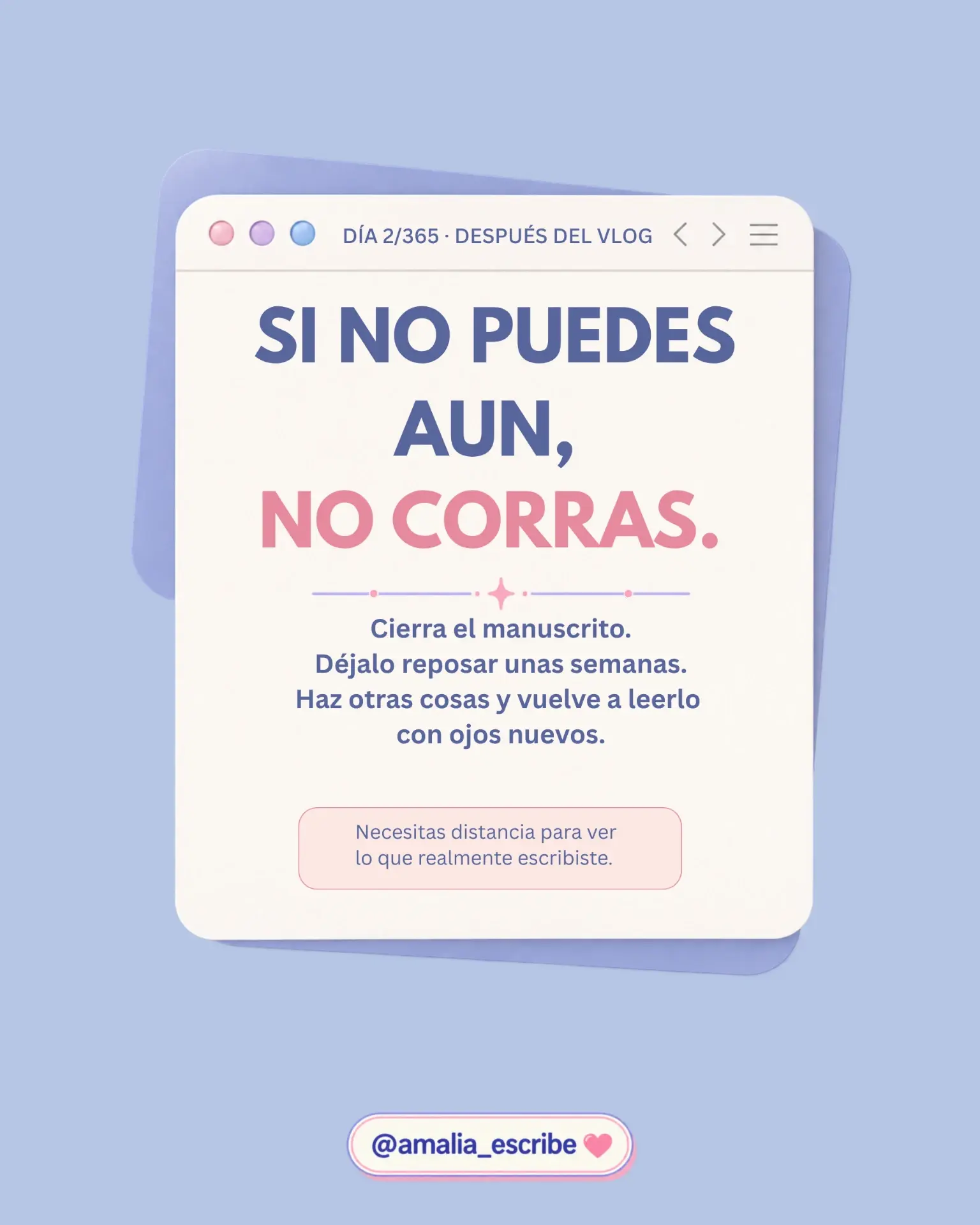
1. If you can't yet, don't run
Close the manuscript. Let it rest for a few weeks. Do other things and come back to it with fresh eyes.
You need distance to see what you actually wrote, not what you thought you were writing. That distance is free, and it is the most powerful tool you have.
2. Edit in layers
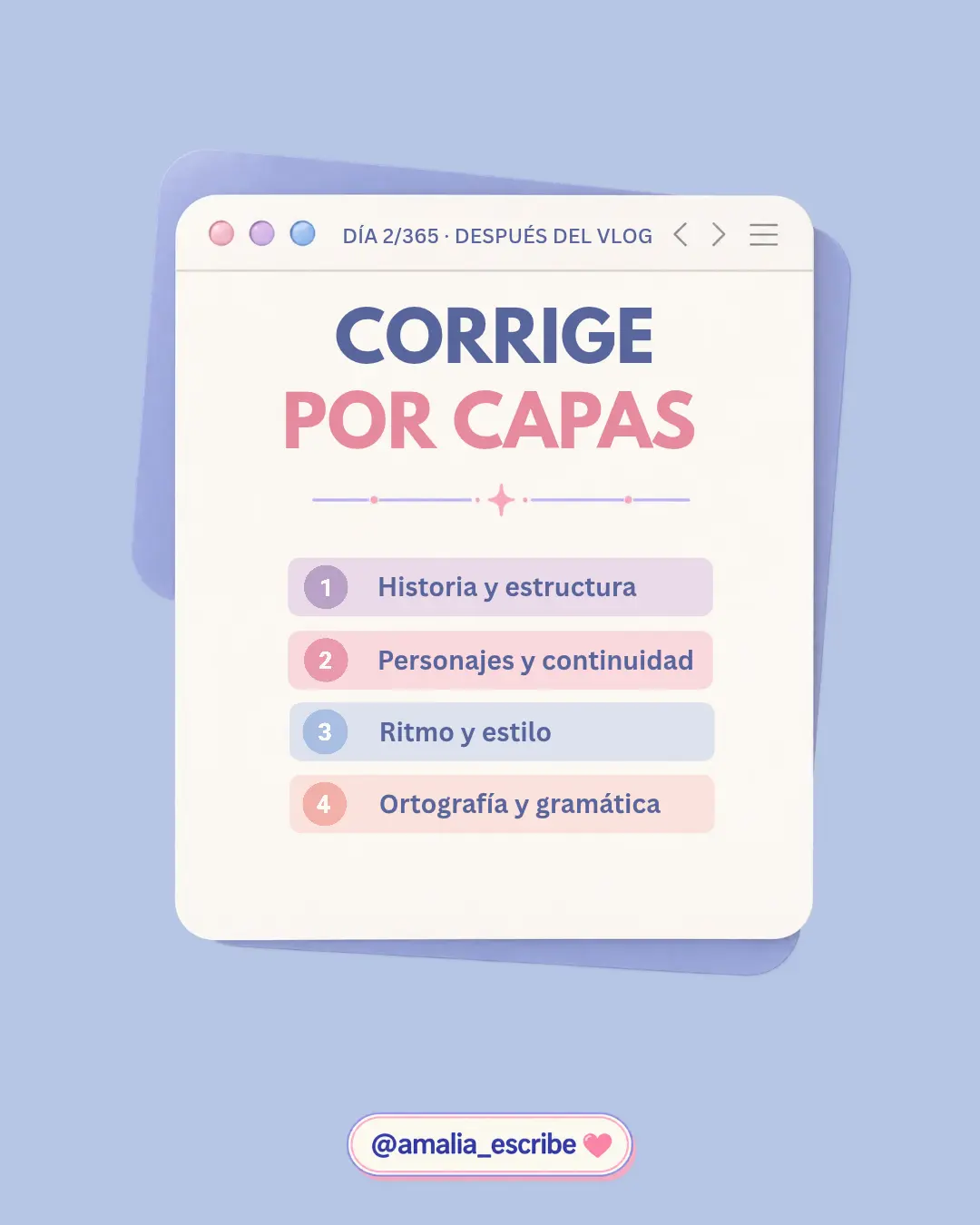
Trying to fix everything at once is the fastest way to fix nothing. These days I do separate passes:
- Story and structure
- Characters and continuity
- Pace and style
- Spelling and grammar
Each layer needs its own kind of attention. Don't mix commas with character arcs.
3. Hunt down your tics
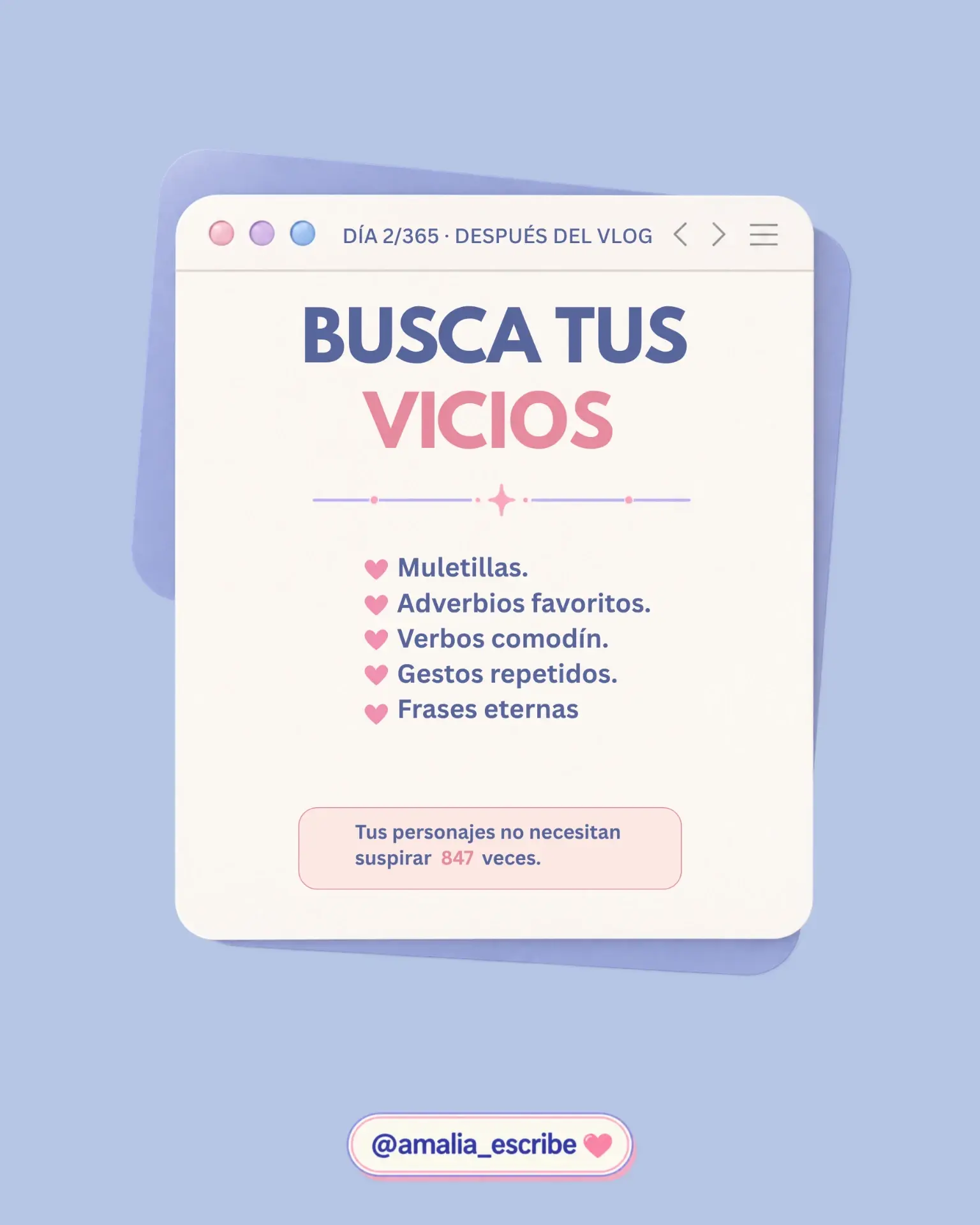
We all have them, and they are surprisingly consistent:
- Filler words
- Favourite adverbs
- Catch-all verbs
- Repeated gestures
- Never-ending sentences
Use your word processor's search tool and count them. Your characters do not need to sigh 847 times.
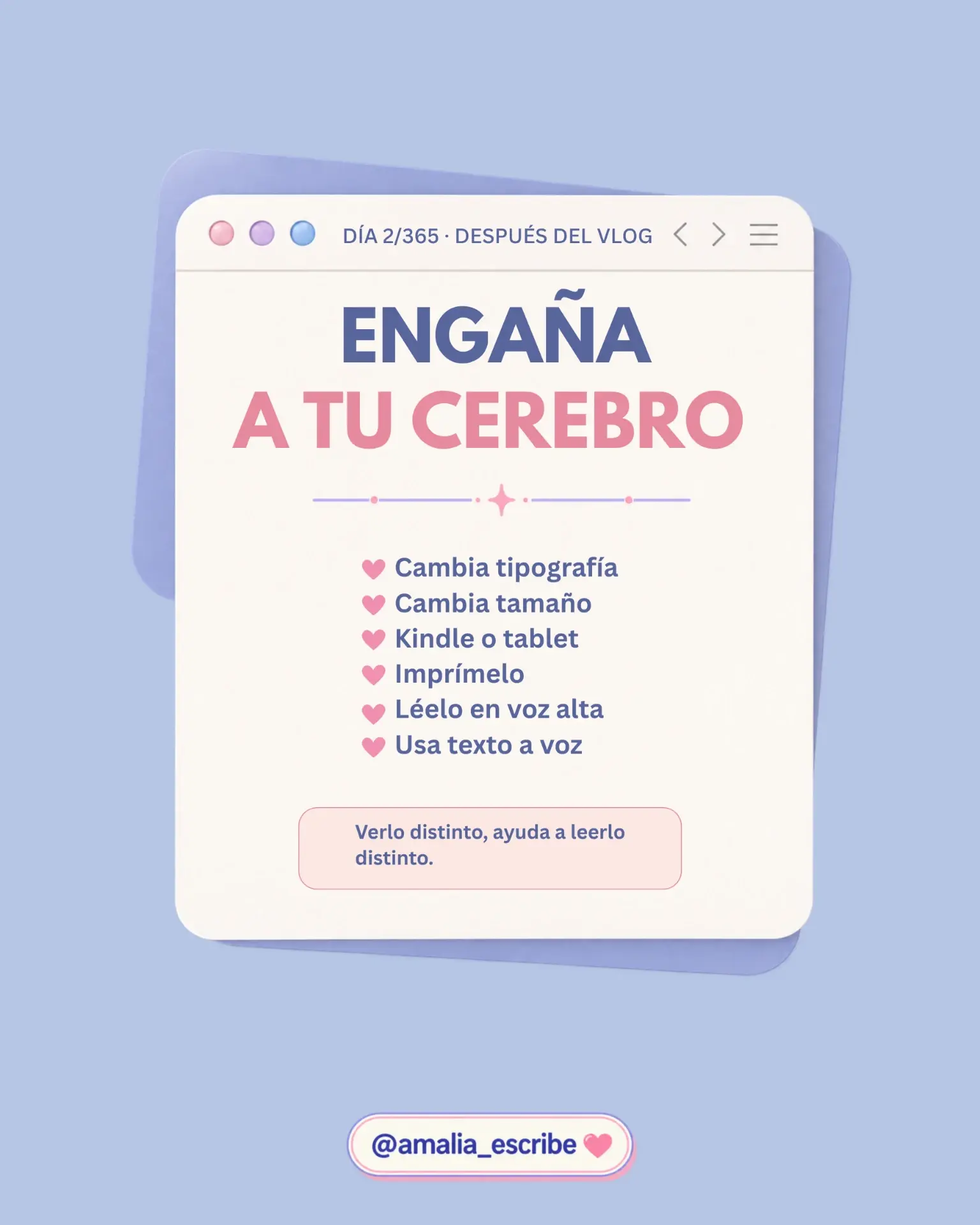
4. Trick your brain
Your head has already memorised the text, so you have to force it to see the pages as new:
- Change the typeface
- Change the font size
- Read it on a Kindle or tablet
- Print it out
- Read it aloud
- Use text-to-speech
Seeing it differently helps you read it differently.
5. Get outside eyes
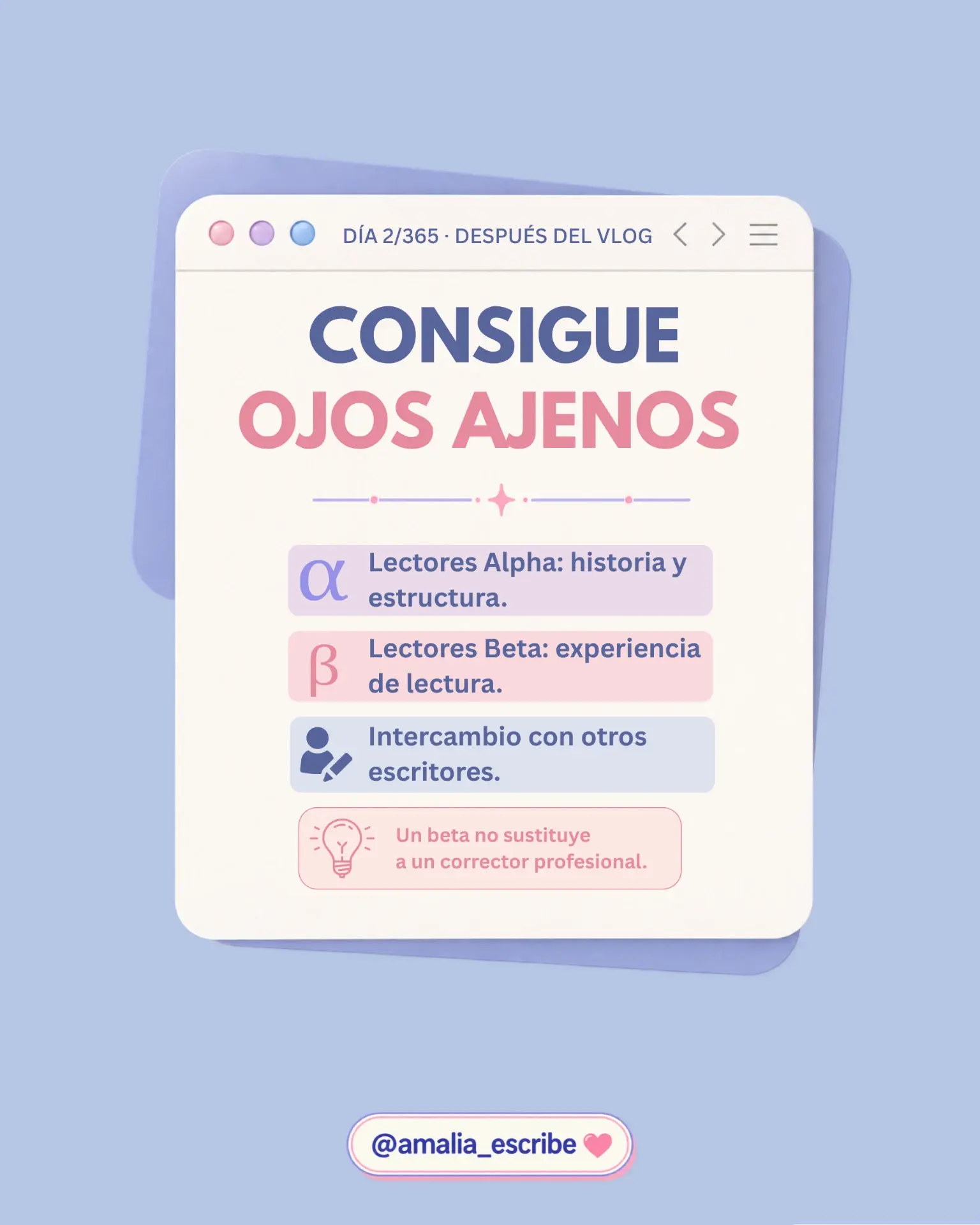
- Alpha readers: story and structure, while the text is still taking shape.
- Beta readers: the reading experience, once the draft is closed.
- Swaps with other writers: you read theirs, they read yours.
One caveat: a beta reader is not a replacement for a professional editor.
6. If you can, pay a good editor
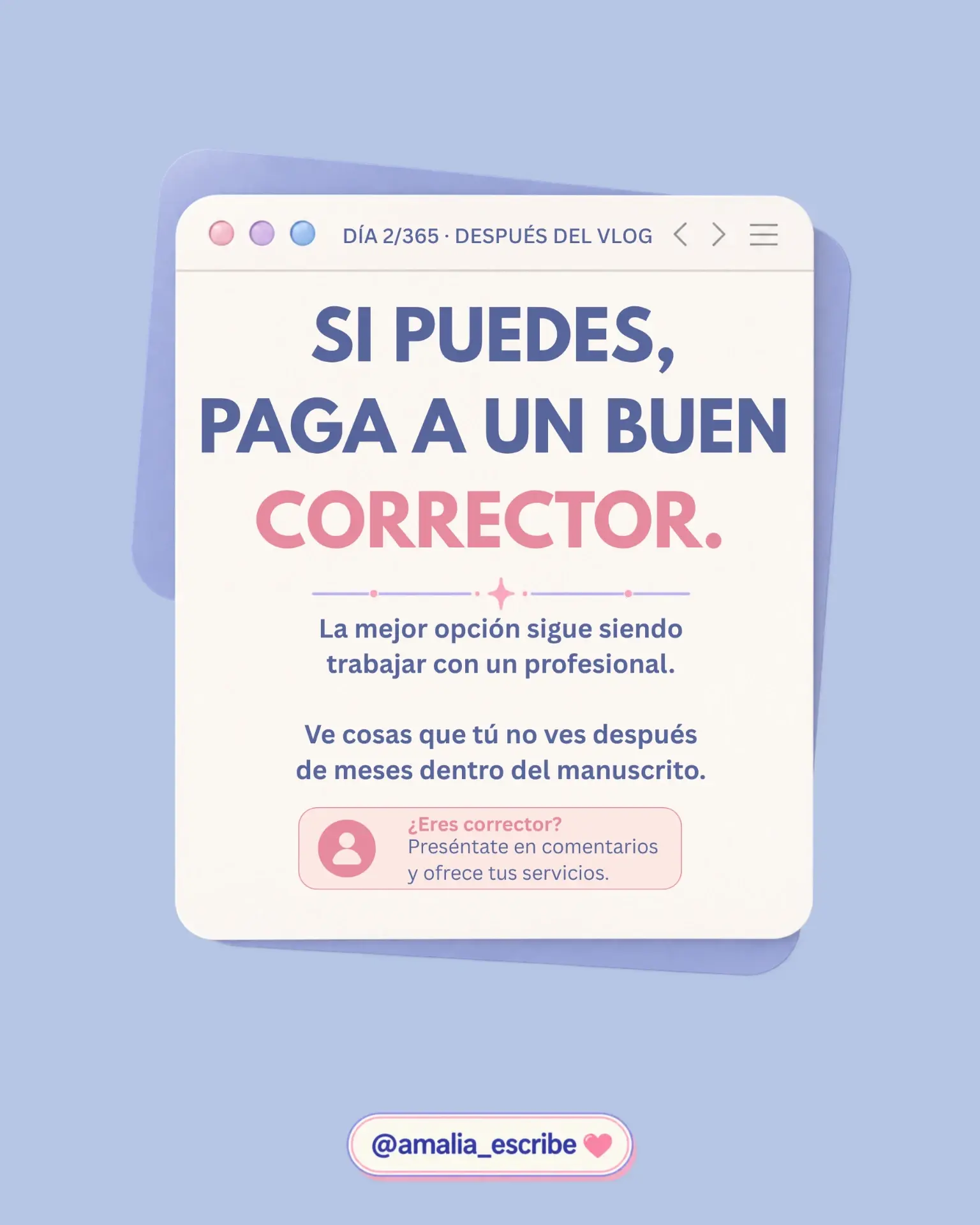
Working with a professional is still the best option. They see what you can no longer see after months living inside the manuscript, and they protect the book from the most expensive mistakes: the ones readers meet on page one.
If you are a copyeditor or proofreader, this is your moment for allowed self-promotion: write to me and tell me what you work on and where readers can find you.
What I take from this
Publishing fast is not publishing better. ELYOR exists, people read it and I am proud of it, but it would have benefited from a few more weeks of silence and one professional pair of eyes. It is the advice I repeat most now: excitement is great for writing; for publishing, patience is better.